Why build another battle royale?
Dead Drop is a 100-player battle royale, one week into development. What we're building, the problems we want to design out, and what this devlog will cover every Sunday.
Most people who play battle royales can list the same frustrations. A player tracks you through a wall. Someone turns their grass setting off and spots you lying in what you thought was cover. You lose a fight to a shot you were sure you’d dodged. The zone pulls away from you, and luck decides the match more than you did.
These problems come from choices made early, about what the server trusts, what the client is told and what the rules leave to chance. Dead Drop is a battle royale built around those choices from the first day. This post introduces the game, what we’re trying to do and how this devlog will work.
What Dead Drop is
Dead Drop is a 100-player battle royale for PC. It’s first person only and played with keyboard and mouse, in solo, duo and squad matches that run well past half an hour. Players jump from transport planes onto an island, find gear, and try to be the last team standing.
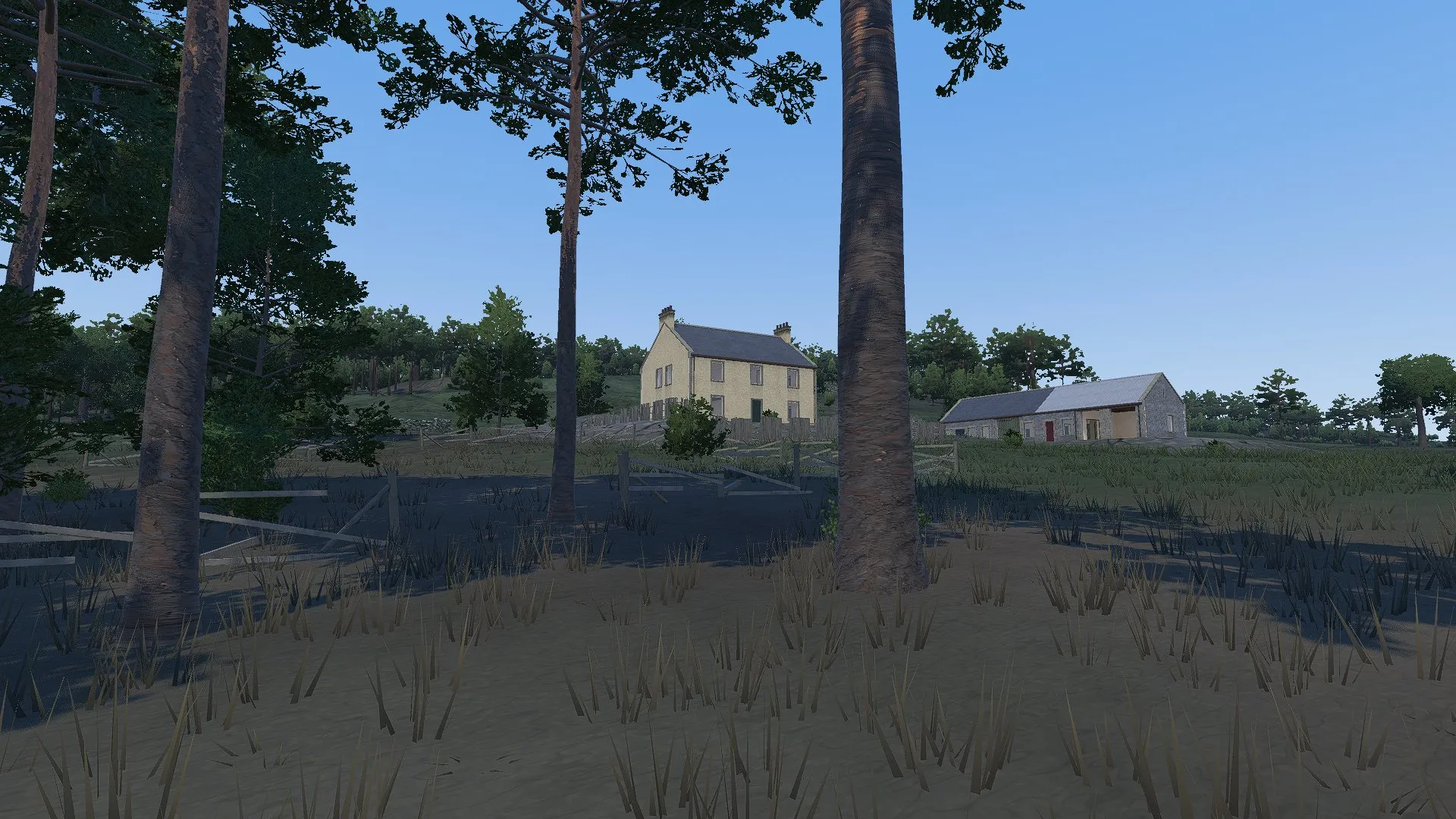
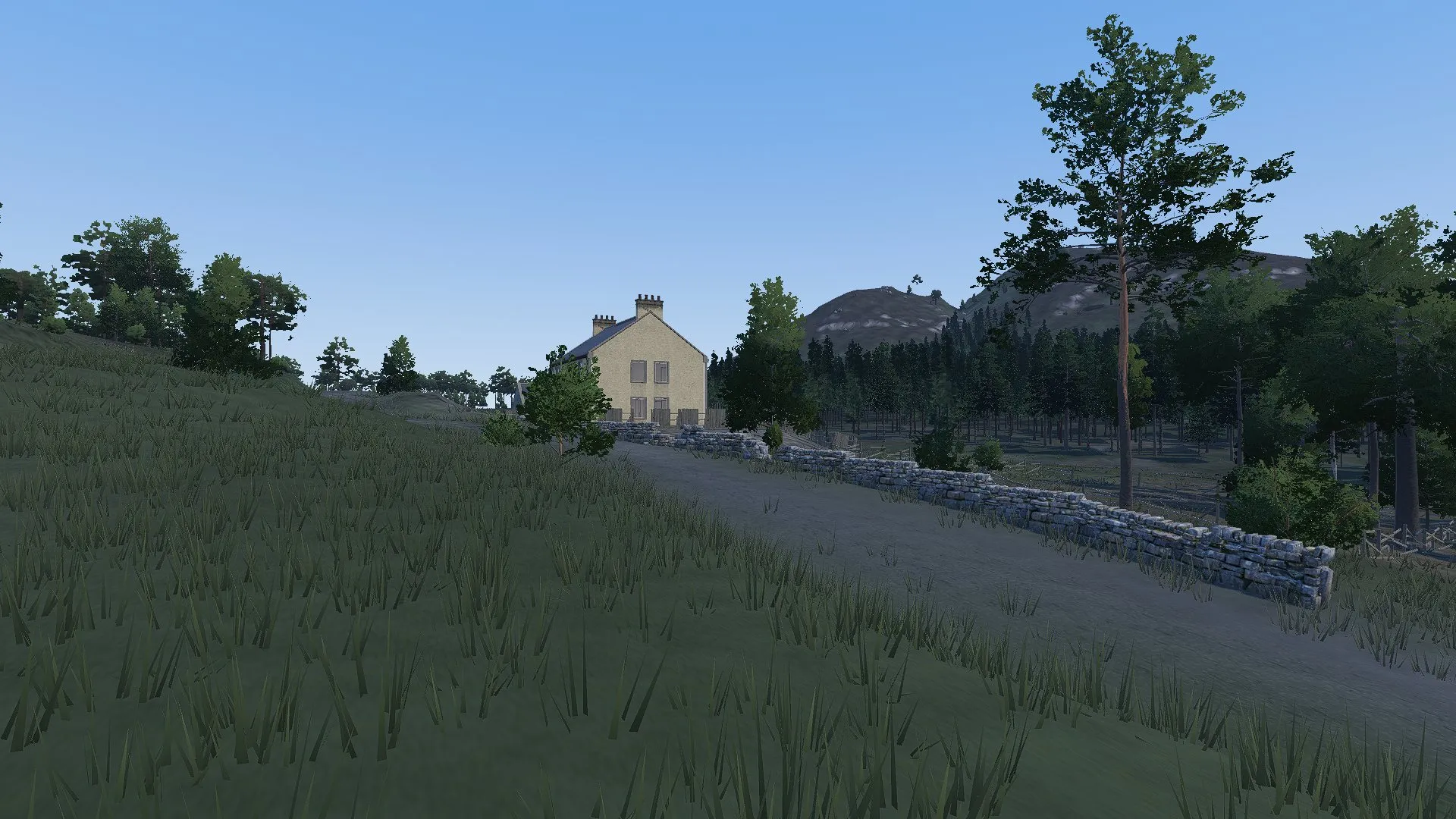
The first map is a rugged northern island with pine and birch woods, dry-stone walls, wooden field fences, farmhouses and small stone towns. It isn’t final. The gear is realistic and modern. Rounds take time to reach a distant target and drop on the way. Magazines are items you fill and carry, not a number in a corner of the screen. The zone is a grid of cells that close on a published schedule. If you’re inside a cell when it closes, you die, so there’s no slow damage to gamble against.
The game is built for competitive play. That isn’t a promise about tournaments. It’s the reason behind most of the design decisions below, because serious competition only works if players trust that the game is fair.
Where it stands
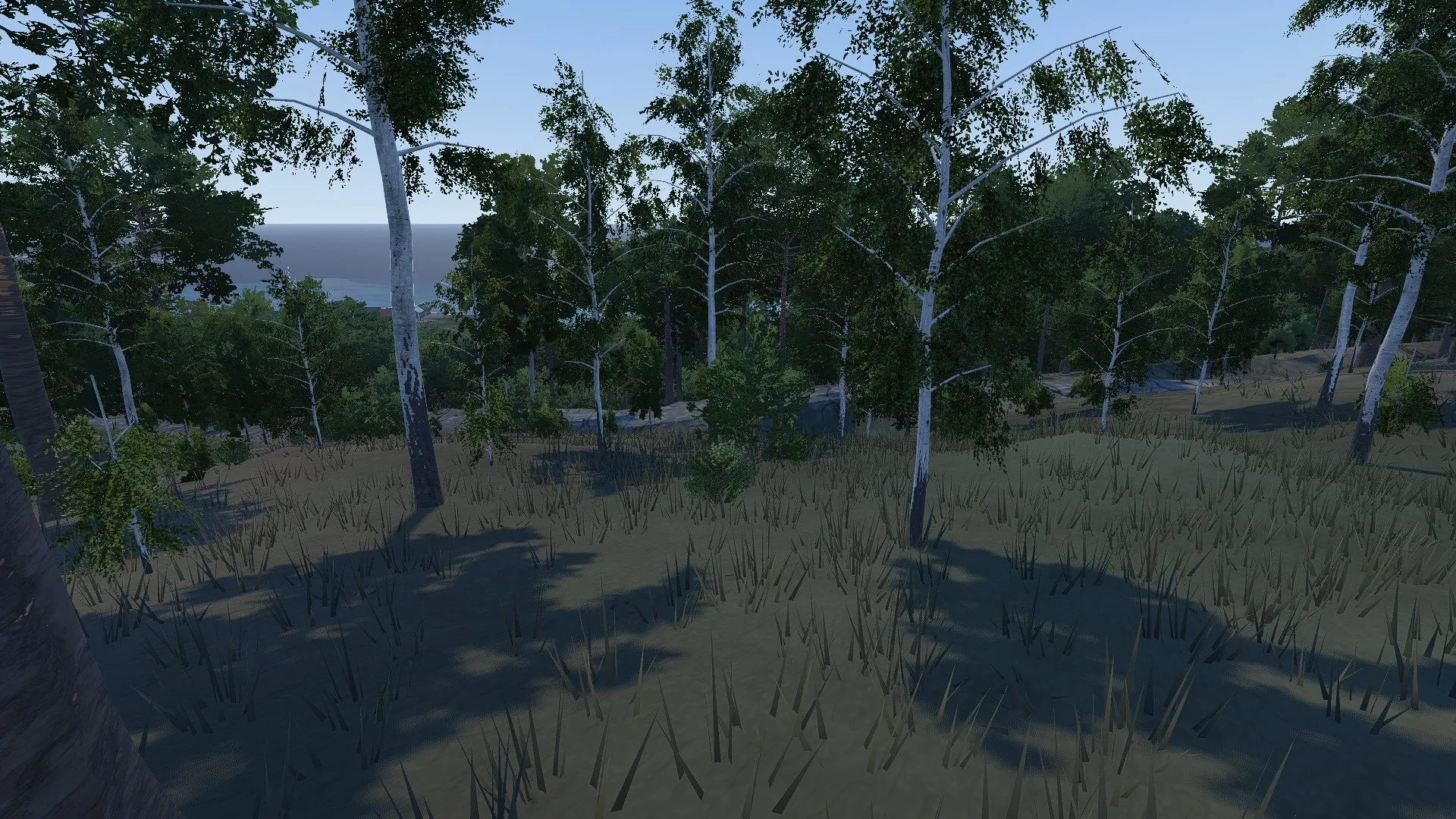
Work began on November 8, 2026, so as this goes up the game is one week old. A lot already runs. There’s a dedicated server and a game client. They play on a two-kilometer test map cut from a generated island.
It has forests, farms walled with dry-stone dykes and fences, a village of stone houses, shops and a tenement, an abandoned cathedral, and the sea around it. You can drop from a plane, loot, fill magazines, shoot, drive, knock down and revive teammates, and blow holes in buildings. A hundred bots play matches against the server in an automated benchmark. Work in progress this week includes pings and larger landmark buildings.
A lot doesn’t exist yet. Client anti-cheat isn’t integrated. There are no accounts or matchmaking, the full-size island isn’t final, and nobody outside the team has played it. The art in these screenshots is a week old, and it will change.
What we’re trying to do
Five goals shape the design.
Fun
Depth shouldn’t mean busywork. The core of a fight runs on a few one-key actions, so you don’t have to stop and open an inventory screen while someone shoots at you. Realism comes in where it adds to play and gets checked against how it plays. The cars use real tire and grip values, and when the first version climbed hills too easily, we toned it down to what a real car could do. The island is generated from real geology rather than noise, so it reads like a place.
Fair
In most shooters, your PC is sent the positions of players you can’t see, and a wallhack or radar cheat simply reads them. In Dead Drop the server decides, many times a second, which players each client could plausibly see, and sends only those, with a few deliberate exceptions such as sound. A position the client never received can’t be read from its memory or drawn through a wall. The idea isn’t new, but here the rest of the game is designed around it. The first long post, How a modern FPS starves wallhacks and radar cheats, covers how it works and where it falls short.
The same thinking runs through the rest. The rendering rules give every machine the same gameplay-relevant world, so no graphics setting is meant to hide or reveal a player. Checking that a client hasn’t been modified to break those rules is planned, not built.
The client and the server run the same simulation code. The server rewinds to the moment you fired and judges the shot from your point of view, though that doesn’t remove the advantage of the player who peeks first. The server decides recoil and when a shot happened, so a client can’t quietly change either. None of this stops an aimbot aiming at someone you can legitimately see. That takes other layers, and we’ll write about them as they’re built.
Balanced
Outcomes should come from skill and decisions, not luck or a hidden rule. Each closing stage is announced ahead of time, with enough time to reach safe ground from anywhere in a doomed cell. That gives you time to plan a route, though a fight can still keep you from reaching safety. The cost is a hard deadline, because you die the moment your cell closes.
Your movement doesn’t change with what you carry. Gear costs weight against your bag’s capacity instead, and each magazine fits only some guns. Both are visible in your inventory. The hit zones are fitted to the body you see and measured against it.
Smooth and stable
A competitive game has to run well in every match. A stutter at the wrong moment decides a fight as surely as a bad hit. So performance is a standard we test against, not something we tune at the end.
A benchmark plays a 100-player match with bots over a simulated internet connection. It fails if the server takes too long per tick or sends too much data per player. On the client, a scripted run walks the test map, looks through a scope and stands in the densest woods. Its frame times are compared with a recorded baseline, so a change that costs frame rate shows up in the checks.
The first use of anything, such as the first smoke grenade or the first C4 blast, has to stay under a frame budget too. On a fresh install the first smoke used to freeze the game for over a second while its shaders compiled. A warm-up after loading brought that down to a few milliseconds.
Fast to build
Shooters tend to change slowly, and a fix can take a season. We want a small team to be able to change core systems every week without breaking them. That rests on automated checks.
The shared simulation is checked against recorded results, so a change in its behavior has to be reviewed and accepted on purpose. Passing the checks doesn’t rule out bugs they don’t cover. Headless tests run the game without a screen, and pipelines rebuild the map and the art from source. The dates on these posts are part of the evidence, and you can judge the pace from them.
Who’s making it, and how
We’re three middle-aged gamers who love FPS and mil-sim battle royales. We come from a variety of backgrounds, including software engineering. This isn’t our first game, but it’s our most ambitious.
Claude, an AI model made by Anthropic, writes most of Dead Drop’s code. The three of us decide what gets built, review the work, approve every visual change from screenshots and play the game, and those play tests keep changing it. Claude is the main reason the game moves this fast, and we’d rather say so at the start. Another of today’s posts, Built with Claude, directed by people, describes how that works, including what goes wrong and how it’s caught.
Sunday Drop
This devlog is called Sunday Drop. Every Sunday, we’ll publish one long technical post about a system that already exists in the game. Each post covers how the system works, what it costs and where it falls short. The game will keep changing, so when a system moves on, we’ll cover it in a later post.
We’re starting with three posts today, this introduction, the wallhack post and the post on how the game is built. After that it’s one post every Sunday. Topics on the list include how the client and server agree on shots, how the rendering rules keep graphics settings from buying an advantage, and how an island is generated from real geology.
Dead Drop is early, and much of what you see here will look different in a month. The foundations are what this devlog is about, and they’re the part we expect to keep.